

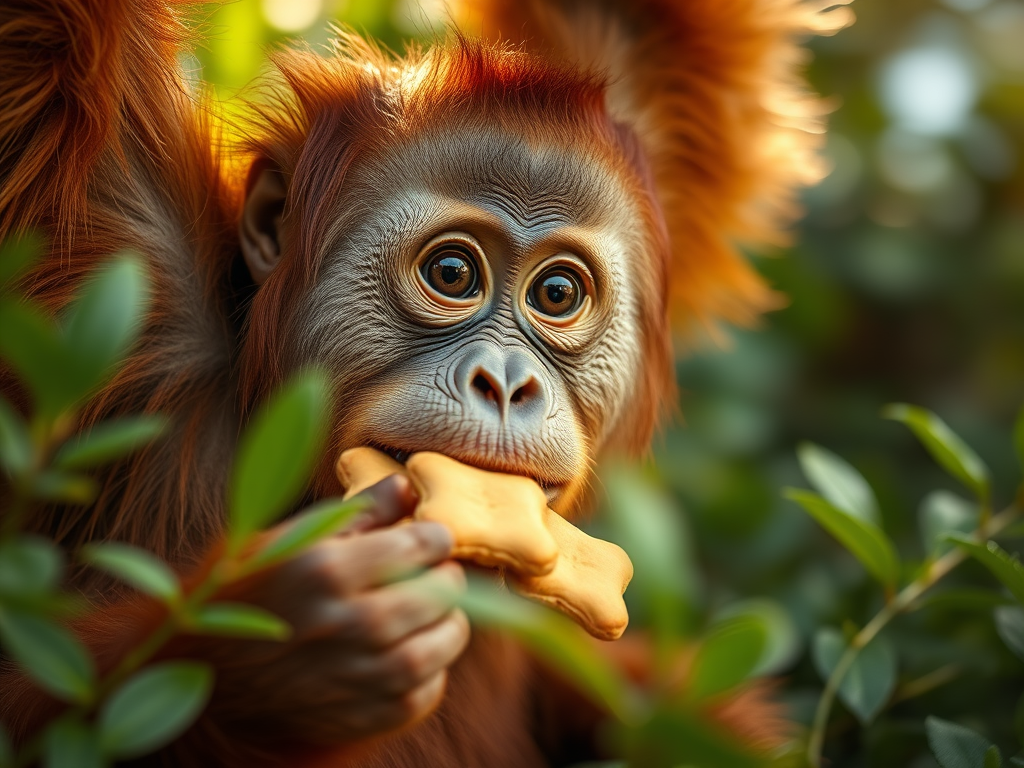
A survival guide to chance, crunch, and the emotional fallout of snack-based maths
Probability is one of those topics that sounds abstract until someone steals your last biscuit. Suddenly, you’re calculating odds, motives, and escape routes. That’s the magic. Probability isn’t just numbers; it’s drama. And nothing teaches it faster than a tin of biscuits and a room full of hungry learners.

Step One: Introduce the Biscuits
Bring a tin. A real one. Ideally, with a suspicious mix:
- 3 custard creams
- 2 bourbons
- 1 rogue jammy dodger
- 4 digestives
- 1 suspiciously broken hobnob
Don’t explain anything. Just open the tin and say, “Pick one.”
Step Two: Let the Chaos Begin
Watch the room descend into biscuit-based strategy.
Who goes first?
Who hesitates?
Who tries to peek?
Who pretends not to care but is clearly eyeing the jammy dodger?
Now ask:
“What’s the probability of getting a bourbon?”
“What’s the probability of betrayal if someone takes the last custard cream?”
“What’s the probability that someone will pretend to be generous but secretly hopes you pick the broken hobnob?”
Suddenly, probability is alive. It’s not just maths. It’s social survival.
Step Three: Introduce the Language of Chance
Once the drama settles, introduce the terms:
- Favourable outcomes: The biscuits you actually want.
- Total outcomes: The whole tin, including the sad ones.
- Independent events: Picking a biscuit without peeking.
- Dependent events: Picking after someone else has already taken the good ones.
Now they care. Because now the maths explains the betrayal.
Step Four: Extend the Betrayal
Try it with dice and biscuit rewards.
Try it with “mystery tins” and hidden duplicates.
Try it with group challenges: “If two people pick bourbons, everyone gets a digestive.”
Try it with emotional stakes: “If you pick the jammy dodger, you have to share it.”
Let probability become part of the classroom ecosystem.
Let it be playful, strategic, and occasionally petty.

Final Thought: Probability Is Just Maths with Feelings
Teaching probability isn’t about precision. It’s about possibility.
It’s about understanding that maths can explain risk, reward, and the emotional fallout of snack-based decisions.
It’s about seeing maths not as a test, but as a toolkit; one that helps us predict, prepare, and occasionally forgive the person who took the last biscuit.
So next time someone says, “I don’t get probability,” hand them a tin and say, “Cool. Pick one. And brace yourself.”
Explore more with us:
- Browse Spiralmore collections
- Read our Informal Blog for relaxed insights
- Discover Deconvolution and see what’s happening
- Visit Gwenin for a curated selection of frameworks
 Bloggyness
Drop a Thought, Stir the Pot