
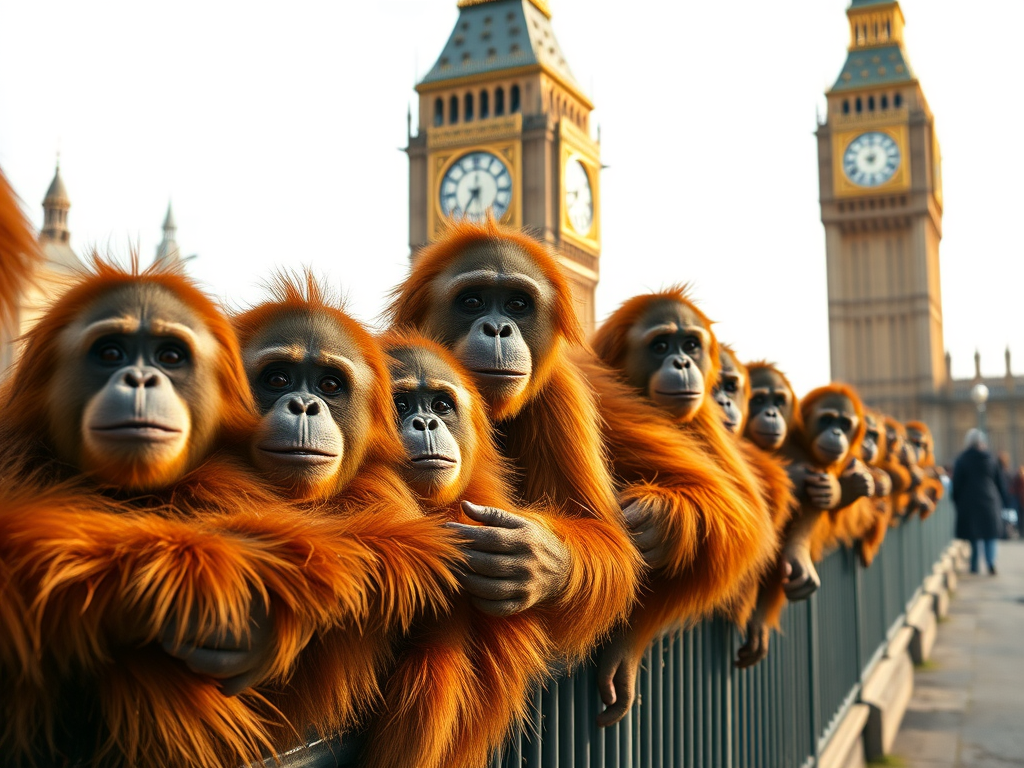
A dispatch from the emotional infrastructure of line loyalty, silent judgment, and the sacred art of standing still with purpose

Let’s be clear:
Queueing isn’t just a habit in Britain.
It’s a lifestyle.
A moral compass.
A national sport with no medals, just quiet pride and occasional eye contact.
We don’t just queue.
We perform queueing.
With grace. With restraint. With the kind of passive-aggressive dignity that says, “I was here first, and I will die on this spot before I let you cut in.”
What Queueing Actually Does (Besides Wasting Time)
- Creates temporary communities of shared inconvenience
- Offers a moment of reflection, judgment, and subtle hierarchy
- Allows Brits to express moral superiority without saying a word
- Prevents chaos through collective choreography
- Provides a socially acceptable way to be annoyed in public
Queueing is emotional infrastructure.
It’s how Britain maintains order without confrontation, but with flair.
Nationally Recognised Queue Types
- The “Is This a Queue?” Queue
Begins with uncertainty. Ends with a line. Always. - The “I Was Here First” Eye Contact Duel
No words. Just vibes. And territorial foot placement. - The “Bus Stop Ballet”
A delicate dance of proximity, politeness, and strategic shuffling. - The “Supermarket Standoff”
You and the person with 11 items in the 10-item lane. Justice is silent. - The “Festival Free-for-All”
Technically, a queue. Spiritually, a test of endurance and bladder control.
Queueing as National Identity
Queueing is:
- A moral code
- A social contract
- A passive-aggressive art form
- A way to say “I matter” without making a fuss
It’s not just standing in line.
It’s standing for something.
Usually behind someone else.
Everyday Queue Phrases (Decoded)
- “Are you in the queue?” → I respect you enough to ask.
- “I think the queue starts over there.” → You’re out of order, but I’m being polite.
- “I was behind her.” → I will not be erased.
- “No worries.” → I’m furious, but I’ve chosen grace.
- “It’s fine.” → It’s absolutely not fine.
Final Thought: Queueing Is a Quiet Power
You don’t need a cape to be a hero.
You just need to wait for your turn.
With dignity.
With precision.
With the kind of sigh that says, “I’m British, and I’m coping.”
Because in Britain, we don’t riot.
We queue.
And that’s enough.
Leave a Reply