
How to Survive Modern Life Without Letting Your Phone Ruin Your Brain
Why Tech Overload is a Mental Fitness Killer
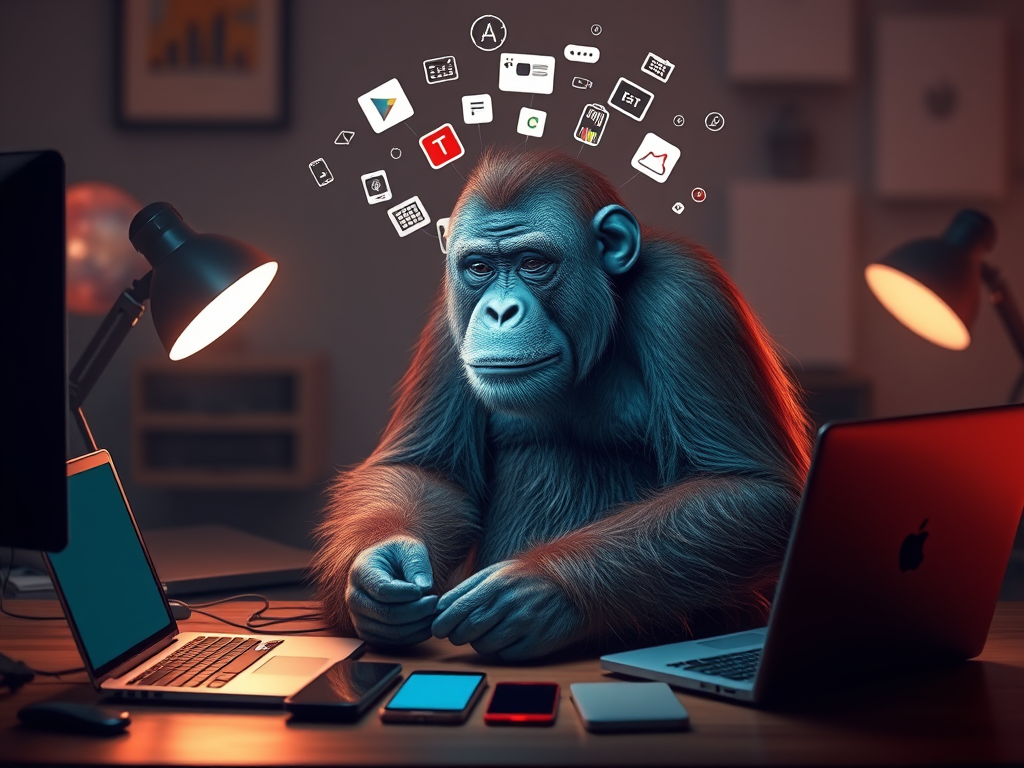
Let’s be honest: your phone is basically an extension of your hand at this point. Emails, notifications, social media, news alerts; it never stops. And your brain? It’s exhausted, overwhelmed, and sometimes seriously considering quitting life for a quiet cave.
Tech overload is linked to:
- Stress and anxiety
- Poor sleep
- Decreased focus and productivity
- Social comparison and self-doubt
But don’t panic, there’s a way to tame the digital beast without smashing your phone on the pavement.

Audit Your Digital Life
Start by noticing how often and why you use tech:
- Social media scrolling out of boredom?
- Email checking every five minutes?
- Doomscrolling the news before bed?
Apps like Moment or RescueTime can track your screen time and highlight problem areas. Awareness = the first step to control.
Set Boundaries with Notifications
Notifications = tiny panic triggers. Reduce mental clutter:
- Turn off non-essential notifications
- Batch email/social media checks into specific times
- Keep work notifications off after hours if possible
Schedule Phone-Free Time
- Morning: Avoid screens for the first 30 minutes
- Meals: Eat without your phone
- Evening: One hour before bed, no devices
Phone-free time reduces stress and improves sleep. Yes, you can survive without Instagram for 60 minutes. Promise.
Mind – Digital Detox Tips
Social Media Mindfulness
Social media = comparison trap. Avoid mental damage:
- Unfollow accounts that trigger envy or stress
- Limit scrolling to a set time daily
- Focus on content that inspires, teaches, or makes you laugh
Harvard Health – Social Media and Mental Health
Use Tech to Help, Not Hurt
Not all apps are evil; some boost mental fitness:
- Meditation apps: Headspace, Insight Timer
- Mood trackers: Daylio, Moodfit
- Exercise apps: Nike Training Club, 7 Minute Workout
Technology can support mental fitness if used intentionally.
Sleep Hygiene and Screens
Blue light from phones and laptops messes with sleep hormones. Fix it:
- Use night mode on devices
- Avoid screens at least 60 minutes before bed
- Keep your bedroom a tech-free zone if possible
NHS – Sleep and Screens
Mental “Micro-Breaks”
Even if you work online, give your brain small breaks:
- 5-minute walk every hour
- Stretch or deep breathing exercises
- Step outside for natural light
Micro-breaks prevent overload and maintain focus.
Humour & Perspective
Let’s face it: sometimes tech chaos is hilarious:
- Autocorrect fails
- Embarrassing memes
- Random group chat nonsense
Laughing at it reduces stress and reminds you not to take digital life too seriously.
Mini Digital Detox Exercise
- Check your screen time for the last 24 hours
- Turn off at least three non-essential notifications
- Schedule one phone-free block today
- Scroll intentionally for a max of 15 minutes, then put the device down
- Share a funny meme or joke with a friend. Humour counts as therapy
Consistency builds mental space and reduces digital fatigue.
Helpful Resources
- Mind – Digital Detox Tips
- Headspace – Mindfulness & Meditation
- Insight Timer – Free Guided Meditations
- Daylio – Mood Tracker
- NHS – Sleep and Screens

Final Thought
Technology isn’t the enemy; mindless usage is. With intentional boundaries, mindful scrolling, phone-free time, and a little humour, you can survive the digital age without losing your mental edge.
Next up: Post 8 – Sleep Like a Human, Not a Zombie, where we tackle science-backed strategies to finally get the rest your brain deserves.
Leave a Reply